How to Spot Flood Damage in Used Cars: A Guide for South Florida Buyers
Posted Thursday, Dec 04, 2025
Buying a used car in South Florida can be exciting, especially with year-round sunshine, beachside drives, and a large selection of pre-owned vehicles. However, this region also faces frequent tropical storms, hurricanes, and heavy rainfall, which increases the risk of flood-damaged cars entering the used car market. Many vehicles exposed to floodwater end up being cleaned, cosmetically repaired, and resold without disclosing the real long-term problems hidden beneath the surface. Learning how to identify flood damage in used cars is critical to protect your safety, your budget, and your future vehicle reliability.
This detailed guide shares expert tips for South Florida buyers, including what signs to look for, how to verify a car’s history, and which professional steps to take before finalizing the purchase. If you are buying a used car and want to avoid expensive repairs, having the right knowledge can save you thousands.
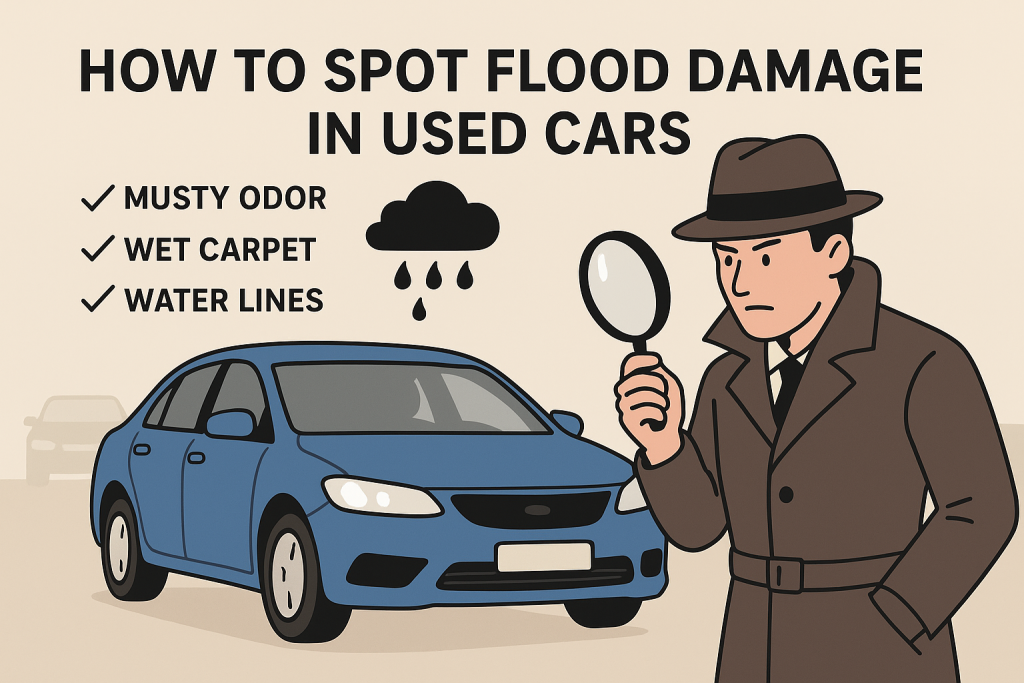
What Makes Flood Damage Such a Serious Issue for Used Cars in South Florida?
Water intrusion affects far more than just the visible parts of a vehicle. Floodwater typically contains salt, sand, debris, chemicals, and bacteria, creating corrosive and electrical hazards that may not appear immediately. Even if a car looks perfectly clean inside and out, the long-term damage may be silently progressing.
Key risks include:
- ⚠Electrical system failures
- ⚠Corroded internal metal parts and frame rust
- ⚠Mold and mildew health concerns
- ⚠Airbag and safety sensor malfunctions
- ⚠Engine and transmission failure over time
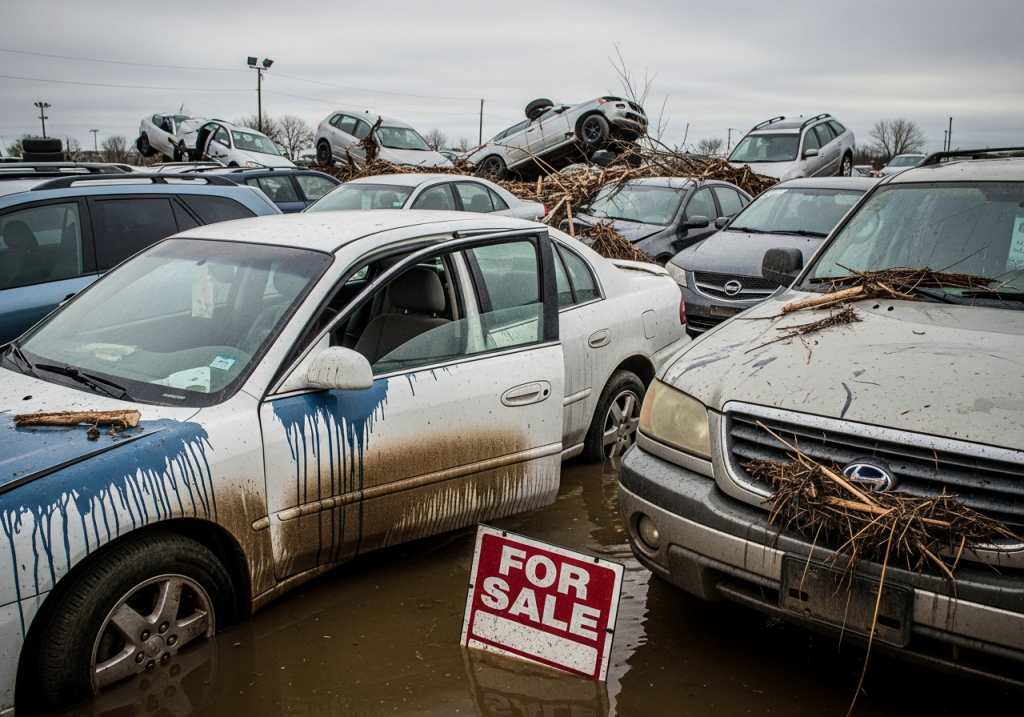
Because South Florida experiences seasonal flooding, some damaged vehicles are taken to auctions and resold, making buyer awareness absolutely essential.
How Can You Use Vehicle History Reports (Carfax or Autocheck) to Detect Flood-Damaged Cars?
Before stepping onto a lot or scheduling a test drive, always run a vehicle history report through trusted platforms like Carfax or AutoCheck. These systems provide title status, service records, mileage logs, and reported insurance damage — important clues when screening flood-affected used cars.
Look for: ✔ “Salvage,” “Water Damage,” or “Rebuilt” title indicators
✔ Gaps in service records after major storms ✔ Sudden mileage drop or odometer inconsistencies ✔ Vehicle previously registered in known flood-prone regions
Even if a report appears clean, do not assume the car is damage-free. Some vehicles are never officially reported, which means hands-on inspection remains necessary. Combining Carfax, AutoCheck, and visual inspection gives the strongest protection.
What Exterior Signs Should You Check for Flood Damage Before Buying a Used Car?
The outside of the vehicle can reveal subtle signs that water exposure has occurred, especially if cleanup methods were rushed. South Florida humidity makes rust progression faster, so even small exterior clues could indicate more serious, unseen damage.
Warning signs include:
- Uneven paint tone or fresh undercoating used to hide rust
- Waterlines, discoloration, or silt trapped along trim or wheel wells
- Headlights or taillights containing moisture droplets
- Corroded or rusty metal near door hinges, trunk lock, gas cap, or engine bolts
Use your hands, eyes, and flashlight to inspect thoroughly. Buyers should also check behind weather seals because sand or salt residue may remain trapped where water once pooled.
How Do Interior Odors Offer Clues to Flood Exposure in Used Cars?
Inside the cabin, odors are among the strongest early flood damage indicators. Floodwater produces a musty, moldy, or mildew-like smell that is nearly impossible to eliminate. Some sellers try to hide odors using strong perfumes, scented sprays, or air fresheners, so always inspect beyond what you smell at first.
Test by: ✔ Opening all doors and windows for a few minutes ✔ Smelling the interior again after ventilation ✔ Checking odor inside glove box, trunk, and under seats
If the interior smells unusually chemical-like or overwhelmingly fragrant, it may be masking moisture, mold, or older water damage.
What Interior Components Should You Inspect for Water Stains, Rust, and Mold?
Even if the cabin appears clean, subtle signs of water stains or damp residue can give away flood exposure. Carefully inspect every stitch and seam—flood vehicles often undergo interior replacement, but some parts are harder to disguise.
Areas to examine:
- Seat belt straps (look for stains, mud, or frayed edges)
- Carpet edges and floor padding for dampness and odor
- Rust on seat rails, bolts, or screw heads
- Trunk spare tire compartment for settled silt or rust
- Dashboard screws and lower panels for corrosion
If floor mats look brand new but other interior elements appear worn or mismatched, that could also indicate recent flood cleanup rather than normal use.
How Can You Detect Electrical and Dashboard Problems Caused by Flood Damage?
Electrical components are extremely vulnerable to water intrusion. Floodwater can short-circuit wiring and corrode connectors, leading to intermittent malfunctions that progressively worsen.
During inspection, check for:
- Flickering dashboard lights
- Power window delays
- Speakers crackling
- Airbag warning lights
- Backup camera malfunctions
- Interior lights randomly turning on/off
If any electrical function feels unstable, even if minor, consider it a major red flag. Electrical failure is among the costliest repairs, and many flood-hidden electrical issues do not appear until months later.
How Can Engine and Undercarriage Inspection Reveal Hidden Water Damage?
Under the hood and below the vehicle, floodwater residue may remain trapped even after thorough cleaning. Engine components, transmission systems, and suspension parts are expensive to replace, making a deeper inspection important before buying a used vehicle.
Look for:
- Mud or sand in filter boxes or crevices
- Rusted or corroded metal brackets
- Oil that appears milky or foamy
- Belts showing excess wear or cracking
- Undercarriage metal flaking or rusting
Bring a professional mechanic who specializes in used car inspections — especially one familiar with flood-related mechanical issues common in South Florida.
Why Should You Check for Condensation or Fog Inside Headlights and Taillights?
Moisture trapped inside exterior lighting is often a reliable sign that a car has been exposed to standing water. While older vehicles can sometimes develop condensation, multiple fogged or water-stained lenses can indicate internal water intrusion.
Check whether lights contain: ✔ Visible droplets or streaks ✔ Rust on reflective housing ✔ Cloudy or layered fogging.
If lights have been replaced with aftermarket parts, compare the color, brand, age, and fit to confirm whether they were swapped due to flood-related electrical failure.
Why Is a Pre-Purchase Inspection Essential for South Florida Used Car Buyers?
South Florida’s climate creates a high-risk automotive environment, making professional pre-purchase inspections necessary. While online reports and personal inspection provide helpful clues, expert diagnostic tools can identify hidden moisture, electrical shorts, and corrosion that buyers cannot see.
A qualified inspector may use:
- Thermal scanners
- Moisture detection devices
- Electronic control module testing
- Undercarriage lift inspection
Choosing an inspection specialist experienced in flood vehicle evaluation provides the safest buying experience and minimizes the risk of future breakdowns.
What Should You Do if You Suspect a Car Has Flood Damage?
If any signs point toward possible flood exposure, do not ignore them. Take the following steps immediately:
- Request a detailed explanation from the seller or the dealership
- Ask for maintenance and insurance documentation
- Compare vehicle pricing to market value — unexplained low price = warning
- Walk away if you feel uncertain
Flood vehicles can sometimes be rebuilt properly and sold legally, but they must be clearly labeled and priced according to condition. Buyers seeking safe and reliable transportation should prioritize clean-title, well-maintained used cars.
Final Key Takeaways — Protect Yourself as a Smart South Florida Buyer
- ✔Always run a Carfax or AutoCheck vehicle history report
- ✔Carefully examine interior odors, stains, and rusted components
- ✔Inspect electrical features and dashboard warnings
- ✔Review lights, undercarriage, and engine bay for water residue
- ✔Schedule a professional pre-purchase inspection
- ✔Never rush a used car purchase because of price or appearance
- ✔If in doubt — walk away and choose a safer option
Conclusion
Buying a used car in South Florida offers great opportunities, but it also requires a careful approach due to the increased risk of flood-damaged cars entering the market. When you know how to identify hidden water damage, long-term mechanical issues, rust signs, and electrical problems, you can protect your investment and avoid costly repairs. For professional assistance, trustworthy support, and a clean selection of reliable pre-owned vehicles, consider visiting Iron Cars Inc., a reputable used car dealership in Hollywood, FL that focuses on transparency, safety, and buyer education for anyone buying a used vehicle and trying to avoid flood damage risks.